
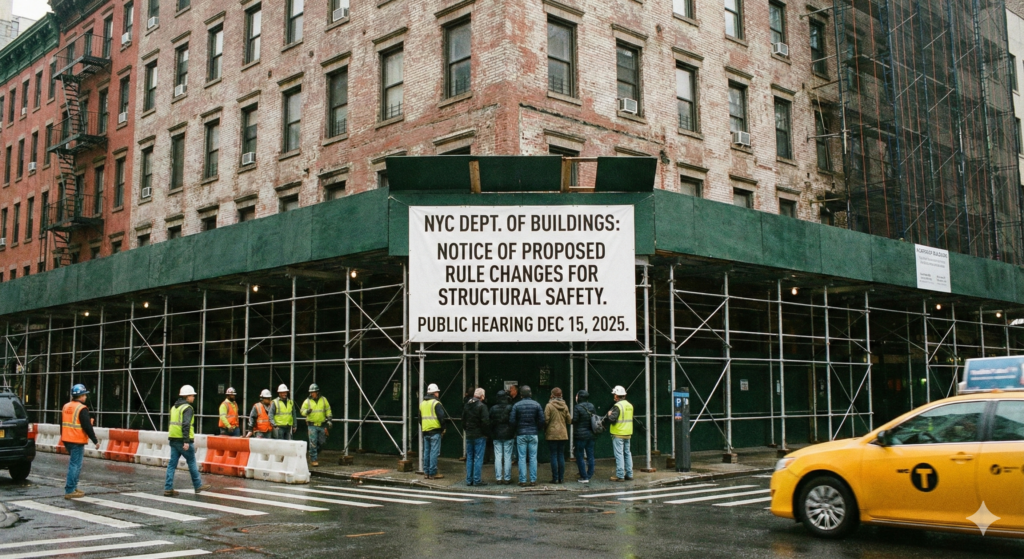
New York City is tightening the rules for buildings that show signs of serious structural distress, and for good reason. Recent collapses and high‑profile emergency evacuations have reminded all of us that small warning signs, if ignored, can turn into life‑safety emergencies.
In this guide, we walk through what the new proposed DOB rules for structurally compromised buildings are trying to address, how they could change day‑to‑day obligations for owners and professionals, and what we should all be doing now to prepare. Our focus is practical: understanding risk, staying compliant, and avoiding last‑minute crises, violations, and costly stop‑work orders.
What Counts As A Structurally Compromised Building
The Department of Buildings (DOB) already uses clear concepts like “unsafe” and “immediately hazardous” in the Building Code and related rules. The new proposals build on that framework and aim to sharpen what we consider structurally compromised so that dangerous conditions are caught earlier.
While exact language will come from the final adopted rules, we can expect a structurally compromised building to include, at minimum, conditions such as:
- Significant cracking or movement in load‑bearing walls, columns, or foundations
- Noticeable floor or roof deflection, sagging, or vibration beyond normal tolerances
- Severe corrosion of steel members or rotting of wood framing that affects capacity
- Deteriorated or displaced masonry, especially where it supports floors or roofs
- Fire or impact damage that weakens structural members, even if the building is still standing
DOB already defines unsafe façade and structural conditions under regulations like Local Law 11/FISP and the NYC Building Code. The new rules are likely to:
- Clarify that “structurally compromised” can apply even before a building is formally declared unsafe.
- Trigger mandatory engineer assessments when certain warning signs appear.
- Treat “near‑miss“ events, like falling debris or partial failures, as structural red flags, not mere maintenance issues.
In other words, if a condition could reasonably lead to a partial collapse, DOB wants it treated as structural, not cosmetic. That’s the mindset shift.
Why New DOB Rules Are Being Proposed Now
These proposals aren’t coming out of nowhere. Across the country, regulators have been re‑examining building safety considering structural failures and aging infrastructure.
We’ve all watched events like the Surfside condominium collapse in Florida, which led to new scrutiny nationwide. Federal investigations by agencies such as NIST have reinforced how long‑term deterioration, design issues, and deferred maintenance can combine into catastrophic failures.
Here in New York City, DOB has also dealt with:
- Emergency evacuations of older buildings after new cracks or movements were discovered
- Local weather events that stressed already‑weak structures
- Ongoing concerns about aging housing stock, especially pre‑war and mid‑century properties
Those incidents show up in enforcement data, complaints, violations, and emergency declarations. Tools like Violation Watch’s NYC violation lookup make it easy to see how often structural and unsafe condition violations appear across the city.
Taken together, the trend is clear: DOB wants earlier detection, faster intervention, and clearer accountability before conditions reach the point of collapse.
Key Changes In The Proposed DOB Rules
While the exact text of the new proposed DOB rules may evolve during the rule‑making process, we can already see the direction from DOB policy statements, enforcement patterns, and broader safety initiatives.
We should expect changes clustered in a few key areas:
1. Earlier “Trigger Points” For Structural Reviews
DOB is likely to require owners to hire a qualified professional engineer more often and more quickly when structural red flags appear, for example:
- Repeated complaints about cracking or movement
- HPD or DOB violations referencing potential structural issues
- Partial collapses of non‑structural elements (parapets, balconies, etc.) that hint at deeper problems
Once those triggers are hit, an engineering assessment and written report may become mandatory on a strict deadline.
2. Stronger Documentation And Classification
We should also see more detailed requirements on how engineers classify and document conditions, aligned with standards like the NYC Building Code structural provisions. Expect:
- Clear definitions for safe, monitor with conditions, unsafe, and immediately hazardous
- Required submission of calculations or photos to support conclusions
- Tighter expectations for interim stabilization versus permanent repair
3. Faster Action On Unsafe Or Potentially Unsafe Conditions
DOB already has power to order vacate orders and emergency shoring. New rules will likely shorten timelines between:
- Discovery of a hazardous structural condition
- Owner notification and DOB filing deadlines
- Required start (and completion) of remedial work
Delays that used to be measured in months may be squeezed into weeks, or less, especially for buildings where the public is at risk.
Inspection, Reporting, And Monitoring Requirements
The heart of the new DOB approach is simple: find structural problems sooner and track them more closely. That means stricter expectations for inspections, reporting, and ongoing monitoring.
Who Will Need To Inspect And When
Owners of buildings with known structural concerns, or with certain risk profiles (age, construction type, heavy occupancy, prior violations), should expect:
- More frequent hands‑on inspections by licensed engineers or registered architects
- Required special inspections when structural elements are exposed during work
- Mandatory follow‑up inspections after significant events (fires, vehicle impact, severe storms)
This aligns with national best practices promoted by groups like the American Society of Civil Engineers and FEMA’s building safety guidance.
What Must Be Reported To DOB
Beyond the inspection itself, DOB is moving toward more robust reporting. We should anticipate:
- Digital submission of structural condition reports
- Clear labeling of risk level and recommended time frame for repairs
- Required proof of completed work, photos, drawings, and sign‑offs
Public‑facing tools such as Violation Watch NYC and the DOB’s own Building Information Search mean these issues don’t stay hidden. Tenants, neighbors, and lenders can see patterns of violations, making transparency a practical necessity.
Ongoing Monitoring And Temporary Protections
Finally, we should expect explicit rules requiring monitoring of:
- Measured crack widths over time
- Settlement markers or tilt readings
- Temporary shoring or bracing systems
DOB’s message is that “temporary” can’t mean “indefinite.“ If a building is structurally compromised, we either repair it properly or restrict use until we can.
Impacts On Owners, Managers, And Construction Professionals
These proposed changes will touch almost everyone involved with buildings in NYC, from small landlords to large institutional owners.
For Owners And Property Managers
Owners and managers should plan for:
- Higher baseline compliance costs: more frequent engineering reports, quicker response timelines
- Greater paper trail obligations: keeping organized records of inspections, reports, and corrective work
- Less tolerance for chronic issues: long‑standing “we’ll get to it next year“ problems are much more likely to turn into violations or vacate orders
At the same time, better documentation can also protect owners. Being able to show timely engineer reports, DOB filings, and closed violations, supported by public tools like the NYC building violation lookup, can help in disputes with tenants, insurers, and lenders.
For Engineers, Architects, And Contractors
For design and construction professionals, we’re looking at:
- Increased responsibility (and liability) for structural assessments and repair design
- More coordination with DOB on staging, shoring, and phasing of repairs
- Tighter scrutiny of temporary conditions during construction
Firms that already operate with strong QA/QC processes will be ahead of the curve. Those used to informal, lightly documented site reviews may find the new expectations uncomfortable.
For Tenants And The Public
Tenants may see more inspections, scaffolding, and temporary relocations, but also clearer communication and safer buildings. Public access to DOB and third‑party data via sites like Violation Watch means residents can follow up on complaints and see whether owners are actually resolving structural issues.
How To Prepare For The New Compliance Landscape
We don’t have to wait for every rule to be formally adopted to start acting. There are practical steps we can take now to stay ahead of the curve.
1. Map Our Current Structural Risk
We should begin by:
- Reviewing prior DOB and HPD violations for structural or unsafe conditions
- Checking each building’s public record via tools like the Violation Watch lookup tool
- Identifying older structures, heavy‑use occupancies, and buildings with a history of water intrusion or movement
This gives us a prioritized list of properties likely to face higher scrutiny.
2. Build Relationships With Qualified Engineers
Next, we should line up trusted structural engineers who:
- Understand DOB filing requirements and enforcement culture
- Are comfortable documenting conditions thoroughly and defensibly
- Can move quickly when complaints or emergencies arise
Having a standing relationship with a firm beats scrambling after a violation is already issued.
3. Tighten Internal Inspection And Documentation
Even simple internal practices help, such as:
- Periodic walkthroughs with maintenance staff trained to spot structural red flags
- Standardized photo logs when issues are found
- Clear rules for when we escalate from in‑house observations to a licensed engineer
If DOB later asks what we knew and when, we’ll have a defensible record.
4. Budget For Proactive Repairs, Not Just Emergencies
Finally, we should start shifting budgets toward planned structural rehabilitation instead of waiting for emergency work orders. Studies highlighted by the International Code Council and others consistently show that preventive maintenance costs far less than post‑failure reconstruction, financially and reputationally.
Conclusion
The new proposed DOB rules for structurally compromised buildings are part of a broader recalibration of how we manage risk in an aging city. The days of treating structural deterioration as a slow‑burn, paperwork problem are ending. DOB wants earlier inspections, clearer reporting, and faster action.
If we start now, by understanding our buildings’ real structural condition, using public data tools like Violation Watch NYC and its violation lookup, and tightening our own internal processes, we won’t just be compliant when the rules take effect. We’ll be ahead of them, with safer buildings, fewer emergencies, and a clearer story to tell to tenants, lenders, and regulators alike.
In a city where every square foot matters, that peace of mind is worth planning for now, not after the next crack shows up on the evening news.
Key Takeaways
- The new proposed DOB rules for structurally compromised buildings aim to catch dangerous conditions earlier by treating serious cracks, deflection, deterioration, and near‑miss events as structural red flags, not cosmetic issues.
- Owners will face earlier trigger points for mandatory engineer assessments, faster deadlines for filing and repairs, and stricter classifications of conditions as safe, monitor, unsafe, or immediately hazardous.
- Inspection and reporting requirements will expand, with licensed engineers or architects performing more frequent hands‑on reviews, digital submission of structural reports, and documented proof of completed remedial work.
- Property owners and managers should prepare now by mapping structural risk across their portfolios, using public data tools like Violation Watch NYC, tightening internal inspections, and organizing documentation to show timely action.
- Design professionals and contractors will carry greater responsibility under the new proposed DOB rules, needing stronger QA/QC, better DOB coordination, and robust documentation of both temporary shoring and permanent structural repairs.
Frequently Asked Questions About the New Proposed DOB Rules for Structurally Compromised Buildings
What are the new proposed DOB rules for structurally compromised buildings in NYC trying to address?
The new proposed DOB rules for structurally compromised buildings aim to catch dangerous structural conditions earlier, require faster engineer involvement, and shorten timelines for repairs. They focus on earlier “trigger points,” stricter documentation, and closer monitoring so small warning signs don’t escalate into collapses, vacate orders, and emergency work.
What conditions might cause a building to be considered structurally compromised under the new DOB framework?
A building may be treated as structurally compromised if there are major cracks or movement in load‑bearing elements, noticeable floor or roof sagging, severe corrosion or rot affecting capacity, deteriorated masonry supporting floors or roofs, or fire/impact damage that weakens structural members, even if the building is still occupied.
How will the proposed DOB rules change day‑to‑day obligations for NYC building owners and managers?
Owners and managers should expect more frequent structural inspections by engineers, faster response when red flags appear, and stronger documentation requirements. Chronic issues will face less tolerance, and failure to act promptly could lead to violations, stop‑work or vacate orders, and higher overall compliance and repair costs.
How can I use NYC violation lookup tools to prepare for the new DOB rules on structurally compromised buildings?
Owners can use public databases such as the DOB Building Information Search and third‑party tools like Violation Watch NYC to review open and past structural or unsafe condition violations. This helps map current structural risk, prioritize buildings likely to face greater scrutiny, and document a proactive response before new rules fully take effect.
What are the best steps to proactively comply with the new proposed DOB rules for structurally compromised buildings?
Start by reviewing DOB/HPD records for structural issues, using NYC violation lookup tools, and identifying older or higher‑risk properties. Build relationships with qualified structural engineers, formalize internal inspections and photo logs, and budget for planned structural rehabilitation instead of waiting for emergencies or enforcement actions.