
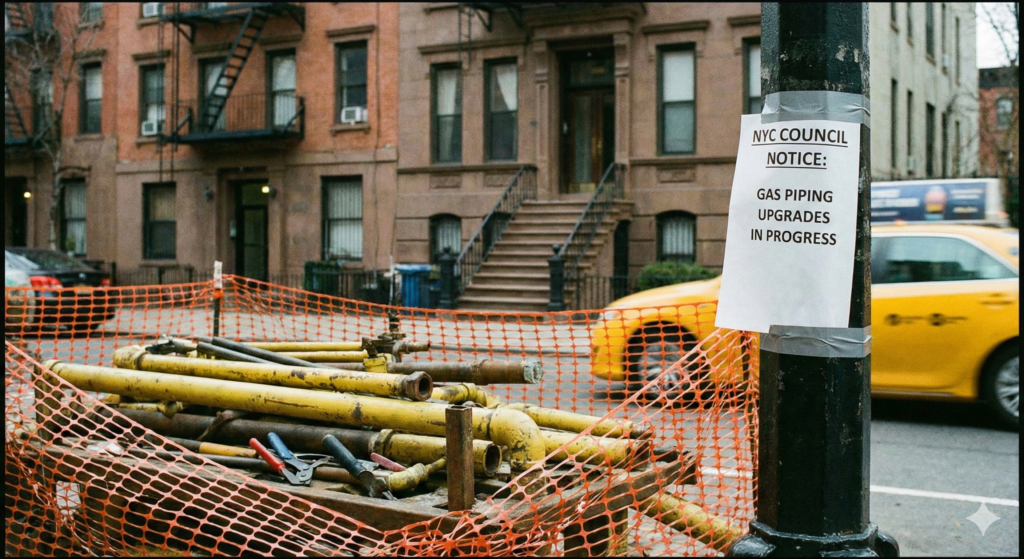
If it feels like New York City’s gas piping rules never stop changing, you’re not imagining it. Between tragic gas explosions, aging infrastructure, and the city’s aggressive climate and safety goals, gas work has become one of the most heavily scrutinized areas of building compliance.
Now we’ve got another round of changes, this time coming directly from the City Council, that layer onto existing requirements like Local Law 152 gas piping inspections and strict permitting rules through the Department of Buildings (DOB). In this text, we’ll break down what’s driving these new rules, what they actually do, and how owners, managers, and contractors can stay ahead instead of scrambling after violations.
We’ll also point to practical tools, like using a DOB violation lookup through platforms such as Violation Watch, to keep your properties clean and compliant.
Why Gas Piping Rules Keep Changing In New York City
The short answer is: safety, liability, and politics.
Over the past decade, high‑profile gas-related incidents in NYC, including deadly explosions in the East Village and Harlem, drove a regulatory pivot toward stricter oversight. Investigations by agencies like the National Transportation Safety Board and follow‑up city reports highlighted recurring issues: illegal taps, poorly documented work, and old piping that went years without proper inspection.
That all fed into laws like Local Law 152 of 2016, which requires periodic inspections of gas piping in most buildings, enforced by DOB and guided by the NYC Fuel Gas Code. You can see how aggressively DOB regulates gas work just by reading its Gas Work & Inspections guidance.
But the Council isn’t just reacting to individual accidents anymore. Gas piping now sits at the crossroads of:
- Life-safety regulation (avoiding leaks, fires, and explosions)
- Infrastructure modernization (Con Edison and National Grid managing aging mains and services)
- Climate and energy policy (laws like Local Law 97 driving building emissions down, often by electrification)
Every time one of these pieces shifts, the gas rules tend to get another update. The latest Council legislation continues that trend: more documentation, more verification, more responsibility pinned on owners and licensed professionals.
This constant change is exactly why we recommend building teams regularly check for open issues using tools like Violation Watch and its DOB gas-related violation lookup feature, instead of waiting for a nasty surprise during a closing, refinance, or tenant complaint.
What The Latest City Council Gas Piping Legislation Does
Each Council bill is different, but the newest wave of gas piping legislation we’re seeing generally aims to do three things:
- Tighten control over when gas can be turned on or restored
DOB already had to sign off on gas restorations, but the Council’s focus has been to close loopholes. That means:
- More explicit coordination between DOB, the utility, and licensed plumbers
- Additional documentation before gas is re‑energized after an outage or alteration
- Expand or clarify inspection and reporting requirements
Local Law 152 created the framework for regular gas piping inspections. The Council’s newer changes tend to:
- Clarify which buildings and piping segments are covered
- Refine how inspection results are submitted to DOB
- Increase penalties or escalation paths for non‑compliance
- Improve tracking, transparency, and enforcement
The recent legislation often mandates:
- Better record‑keeping by owners and licensed professionals
- Faster correction timelines for unsafe conditions
- Stronger enforcement tools for DOB
The legislative text and summaries are public on the NYC Council website, and we always suggest reading the actual bill language when planning high‑stake gas work. But in practice, what we’re seeing is simple: every year, the bar to turn on, alter, and maintain gas gets higher, and the paper trail expectations get thicker.
That’s why combining careful project planning with live compliance monitoring, for example, routinely checking properties with a DOB violation lookup tool, is no longer optional if we want to avoid costly gas shutoffs.
Key New Requirements For Building Owners And Managers
For owners and property managers, the latest gas piping changes mostly show up as additional responsibilities, not less.
Here are the themes we’re seeing most clearly:
1. More formal documentation and retention
We’re being asked to treat gas piping records the same way we already treat elevator, boiler, and façade records:
- Keep copies of gas piping inspection reports for multiple years
- Maintain sign‑offs, utility correspondence, and cut‑and‑cap documentation
- Be ready to show records during DOB audits or after a complaint
DOB’s broader Building Owner Compliance guidance makes it clear: “I didn’t know” doesn’t fly.
2. Clearer duty to act on unsafe or hazardous conditions
If an inspection finds a Class A (immediately hazardous) condition, owners are on the hook to:
- Coordinate shutoff and emergency measures
- Engage a licensed master plumber quickly
- File required corrective paperwork with DOB within strict timelines
The new Council rules often tighten those timelines and increase penalties for dragging our feet.
3. Stricter coordination with tenants and building staff
Gas work usually means:
- Loss of cooking gas for residential tenants
- Operational interruptions for food service or commercial kitchens
- Access to apartments and mechanical spaces for plumbers and inspectors
The newer rules implicitly assume owners are properly communicating, scheduling, and enforcing access. If we don’t, we risk both non‑compliance and tenant complaints.
This is where having a centralized view of violations matters. Using a service like Violation Watch to flag open gas‑related DOB issues across a portfolio gives us the chance to solve small problems before they cascade into shutoffs, emergency repairs, and padlocked meters.
How The Changes Affect Contractors, Plumbers, And Design Professionals
Licensed Master Plumbers (LMPs), engineers, and architects feel these changes first, often long before owners realize anything is different.
More scrutiny on who can do what
DOB already required qualified people for gas work, but the newer Council rules tend to reinforce that:
- Only properly licensed professionals can perform or supervise gas piping work
- Certain tasks may require specific endorsements or qualifications
- Self‑certification is narrower and more heavily audited
This is consistent with national standards like the NFPA 54 National Fuel Gas Code, which emphasize competence and documented procedures for gas installations.
Heavier administrative load
Design professionals and plumbers are now spending more time on:
- Filing detailed drawings and as‑builts for even modest gas alterations
- Preparing inspection attestations and affidavits that align with DOB and Council requirements
- Coordinating tightly with utilities for turn‑ons and relights
It’s not glamorous work, but missing paperwork is increasingly what holds up gas restorations, not the physical installation itself.
Higher professional risk
With sharper rules comes more exposure:
- Incorrect sign‑offs or sloppy documentation can lead to investigations
- Failure to flag unsafe conditions can threaten licensure
- Liability exposure grows when council laws explicitly reference professional duties
Because of that, we see more LMPs and engineers using portfolio‑level monitoring tools (for example, regularly running a DOB gas violation search) before they even quote work, just to understand the regulatory baggage attached to a building.
Compliance Steps To Take Now To Avoid Violations And Delays
We can’t stop the rules from changing, but we can build a process that makes each new tweak less painful.
1. Build a living inventory of all gas systems across your portfolio
For every building, document:
- Whether it has gas service (and where)
- Fuel type and major gas‑fired equipment (boilers, WHs, ranges, dryers, RTUs)
- Meter locations, main shut‑offs, and key piping risers
Tie this to your Local Law 152 inspection cycle so you always know what’s coming up.
2. Centralize all gas-related documents
We recommend a single shared folder or compliance platform that includes:
- DOB gas permits and sign‑offs
- Local Law 152 inspection reports and certifications
- “Cut & cap” letters, utility correspondence, and outage notices
- Any prior violations or emergency orders
If you don’t already track violations systematically, get in the habit of running periodic checks through a dedicated tool like Violation Watch so nothing slips between the cracks.
3. Pre‑plan gas work with your LMP and design team
Before you submit anything to DOB:
- Confirm which Council and DOB rules apply to your building type, occupancy, and scope
- Ask the LMP how the latest changes affect sequencing, inspections, and utility coordination
- Build time for additional paperwork and inspections into your schedule
This is especially important on projects that combine gas changes with boiler replacements, restaurant fit‑outs, or tenant improvement work.
4. Train on‑site staff and superintendents
Your supers, porters, and building engineers are usually the first to hear tenants complain about gas or smell something odd. Make sure they know:
- How to escalate possible leaks immediately
- What not to touch without a plumber or utility
- Where emergency shut‑offs are located
Well‑trained staff can prevent small issues from becoming enforcement cases that land in DOB’s database, and then show up in every future DOB violation lookup.
Common Challenges And Practical Ways To Work Around Them
Even with a good plan, we all run into the same sticking points when dealing with changing gas rules.
Tenants frustrated by long gas shutoffs
Restoring gas after a violation or major alteration can take weeks or months once DOB inspections, utility schedules, and paperwork are factored in.
Workarounds:
- Use proactive communication: timelines, FAQs, and status updates
- Offer temporary electric cooking options where feasible
- Coordinate batches of in‑unit work so plumbers can move efficiently
Surprise violations during transactions
Sales, refinances, and large leases are often when mysterious old violations surface.
Workarounds:
- Make a violation check standard due diligence, don’t wait for the buyer’s attorney
- Use tools that aggregate DOB and other agency data in one place, like Violation Watch’s lookup
- Treat old unresolved gas violations as project risks and price them into the deal
Confusion over overlapping rules
Owners frequently ask us: “Is this Local Law 152, a DOB rule, a utility requirement, or a Council law?” The answer is usually: some combination of all three.
Workarounds:
- Have your design professional or code consultant map the requirements for each major project
- Keep a simple internal cheat sheet that explains, in plain English, which rules apply to which building types
- When in doubt, check primary sources, DOB’s gas pages, the NYC Fuel Gas Code, and Council bill texts
Conclusion
The direction of travel is crystal clear: NYC is steadily tightening the screws on gas piping, from installation and inspection to documentation and oversight. Each new City Council action nudges the system further toward “prove it’s safe, in writing, before we let you turn it on.”
If we treat these changes as one‑off headaches, we’ll always be reacting, chasing violations, explaining delays to tenants, and negotiating around gas issues in every transaction. If instead we build a structured, portfolio‑wide approach to gas compliance, the rule changes become manageable.
That means three things for building teams in practice:
- Know your systems and inspection cycles cold
- Keep your documentation and violation history organized and visible
- Work with professionals who track these evolving rules for a living
In other words, the buildings that win under this new regime are the ones that treat gas piping compliance the way they already treat elevators, boilers, and façades: as a permanent, trackable program, not a last‑minute scramble.
Timeline And Phase-In Dates Building Teams Should Watch
The exact phase‑in dates depend on the specific Council bill and on existing frameworks like Local Law 152. Typical patterns we look for include:
- New inspection or filing requirements starting 12–24 months after a law is enacted
- Gradual deadlines by occupancy group or borough
- Grace periods for initial inspections, followed by steeper penalties
We recommend maintaining a simple calendar that lists, by building:
- Next gas piping inspection due date
- Any Council‑driven milestones (for example, new filing forms or reporting rules)
- Coordination dates with your LMP and utility
Pairing that calendar with regular DOB violation checks through services like Violation Watch helps ensure nothing sneaks up on you.
Coordinating Gas Piping Rules With Other Energy And Safety Policies
Gas changes don’t live in a vacuum. We’re also juggling:
- Local Law 97 emissions limits and electrification strategies
- Boiler efficiency standards and fuel conversions
- Broader life‑safety priorities like sprinklers, alarms, and egress
Before you invest heavily in new gas piping, it’s worth asking:
- Does this align with our long‑term decarbonization or electrification plan?
- Will today’s gas investment conflict with tomorrow’s Local Law 97 strategy?
- Are there opportunities to consolidate work (e.g., gas, boiler, and controls) under one coordinated design?
When we integrate gas compliance into our larger energy and capital planning, the frequent rule changes stop feeling like isolated crises and start looking like another lever we can manage in a thoughtful, long‑range way.
Key Takeaways
- Recent gas piping changes in NYC from the City Council further tighten when gas can be turned on or restored, demanding closer coordination among DOB, utilities, and licensed plumbers.
- Building owners and managers now face stricter gas piping documentation rules in New York City, including long-term record retention, faster response to hazardous conditions, and better communication with tenants during gas outages.
- Licensed Master Plumbers, engineers, and architects face more scrutiny and administrative work under the new gas piping changes in NYC, with narrower self‑certification options and higher professional risk for incorrect filings or missed hazards.
- To stay ahead of violations and delays, building teams should maintain a live inventory of gas systems, centralize all gas-related documents, and pre‑plan gas work with design professionals and LMPs.
- Regular DOB violation lookups using tools like Violation Watch are becoming essential for monitoring gas-related issues across portfolios, preventing surprise violations during transactions or inspections.
- Coordinating gas piping compliance with broader policies like Local Law 152, Local Law 97, and boiler upgrades helps owners align safety, emissions, and capital planning instead of treating each rule change as an isolated crisis.
Frequently Asked Questions
What is driving the latest gas piping changes in NYC from the City Council?
The newest gas piping changes in NYC are driven by life-safety concerns, aging infrastructure, and climate policy. After several deadly explosions and investigations into illegal or poorly documented gas work, the City Council has pushed for tighter oversight, more documentation, and clearer responsibilities for owners and licensed professionals.
How do the new City Council gas piping rules affect building owners and managers?
Owners and managers now face stricter documentation, faster response requirements to hazardous conditions, and closer coordination with tenants and staff. They must retain gas inspection reports, permits, and utility correspondence, act quickly on Class A conditions, and be prepared for DOB audits or complaints tied to gas piping compliance.
What are practical steps to stay compliant with gas piping changes in NYC?
Create a living inventory of gas systems, centralize all DOB permits, Local Law 152 reports, and utility records, and pre‑plan gas work with your LMP and design team. Pair this with regular DOB violation lookups using tools like Violation Watch to catch issues early and avoid surprise shutoffs or delays.
How do the new NYC gas piping rules impact Licensed Master Plumbers and contractors?
Licensed Master Plumbers, engineers, and contractors face more scrutiny on qualifications, narrower self‑certification, heavier filing and documentation loads, and higher professional risk. Missing or inaccurate paperwork can now delay gas restorations and trigger investigations, so many professionals run portfolio‑wide DOB gas violation searches before pricing or starting work.
How does Local Law 152 relate to the latest gas piping changes in NYC?
Local Law 152 created the baseline requirement for periodic gas piping inspections in most NYC buildings. The latest City Council actions build on that framework by clarifying coverage, tightening reporting rules, enhancing penalties, and raising the bar for when gas can be turned on or restored after work or an outage.
Can gas piping work in NYC conflict with Local Law 97 and electrification plans?
Yes. Investing heavily in new gas piping or gas‑fired equipment may conflict with long‑term Local Law 97 emissions strategies that favor electrification. Before major gas projects, owners should review decarbonization plans, consider electric alternatives, and coordinate boiler, controls, and gas scope under a single, long‑range capital and energy strategy.