
NYC DOB Safety Violations Monitoring & Instant Alerts
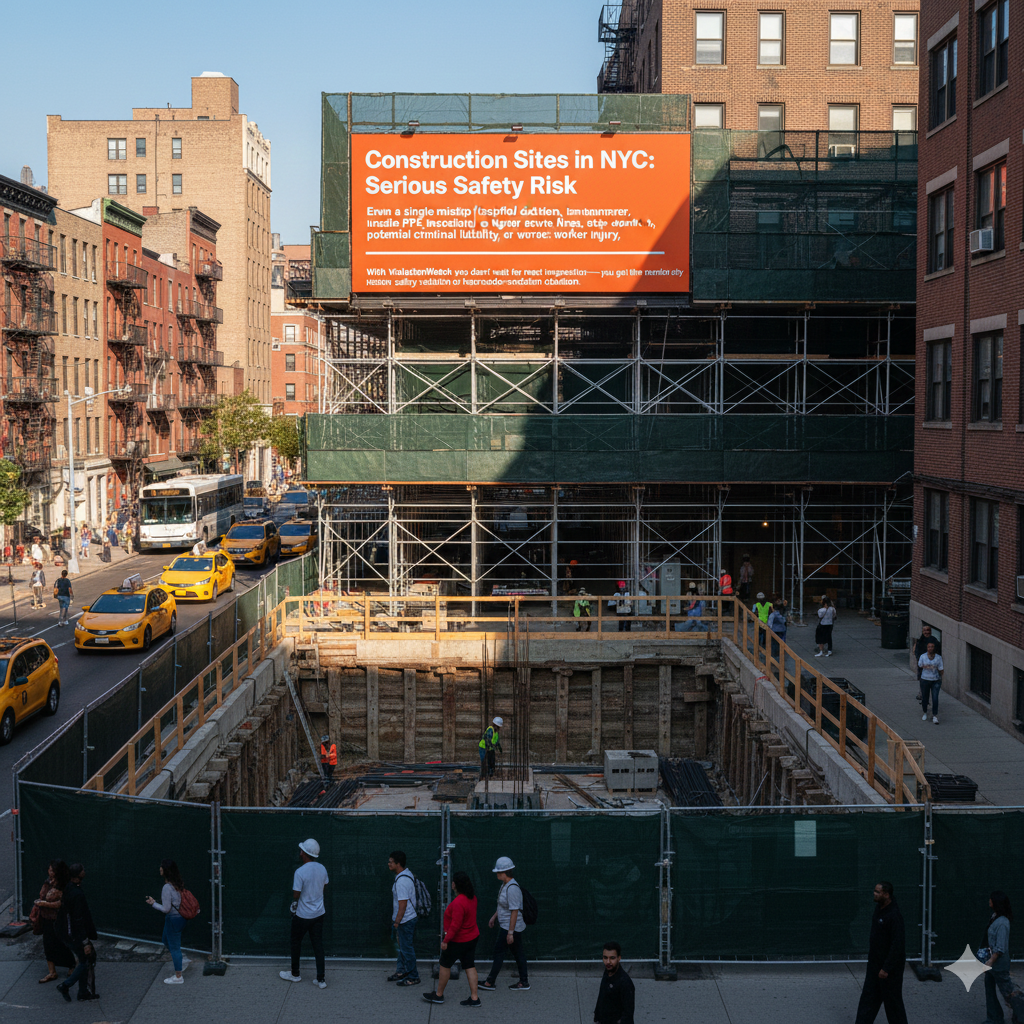
Construction sites in NYC — no matter how big or small — carry serious safety-compliance risk. Even a single misstep (scaffold violation, improper PPE, unsafe excavation) can trigger severe fines, stop-work orders, potential criminal liability, or worse: worker injury.
With ViolationWatch you don’t wait for the next inspection — you get notified the moment the city issues a safety violation or hazardous-condition citation.
What Are DOB Safety Violations — and Why They Matter
These violations are among the most dangerous: they threaten worker safety and public safety. They often trigger immediate Stop-Work Orders, and penalties can reach $25,000–$50,000 per violation, with repeat or severe violations risking criminal charges or severe liability.
Safety violations are official citations from the New York City Department of Buildings (DOB), tied to unsafe site conditions, improper scaffolding or fall-protection, missing PPE, unapproved work methods, hazardous excavation, crane issues — or any breach of NYC Building Code Chapter 33 and relevant safety regulations.
The risk extends beyond fines. Violations can disrupt entire projects, cause insurance issues, halt financing, and expose owners, contractors, and subcontractors to legal liability for accidents or injuries.
In short: safety compliance is not optional—and monitoring it manually is risky.
Typical Safety Violations We Watch For
ViolationWatch monitors for all common (and critical) DOB safety violation types, including:
Fall-protection failures
missing guardrails, exposed edges, no harness systems, unsafe unprotected heights.
Scaffolding issues
improper assembly, overloaded scaffolds, missing inspections, inadequate access or stabilization.
Excavation and trench-safety violations
insufficient shoring or protective systems, unstable slopes, cave-in risks.
Crane & hoist violations
improper operation, load safety breaches, lack of inspection or faulty setup.
Missing or inadequate Personal Protective Equipment (PPE) or safety gear
hard hats, harnesses, safety glasses, etc.
Electrical, fire-safety, or general hazardous-condition violations
exposed wiring, faulty fire protection, unsafe site layout, obstructed exits, etc.
Lack of required supervision or documentation
missing Site Safety Manager, expired safety plans or training certificates, or incomplete safety filings.
ViolationWatch classifies violations by severity — from “Immediately Hazardous” (requiring urgent stop-work) to “Moderate/Administrative” — and triggers alerts accordingly so you know when immediate action is needed.
How ViolationWatch Monitors — Real-Time, Automated, and Always On
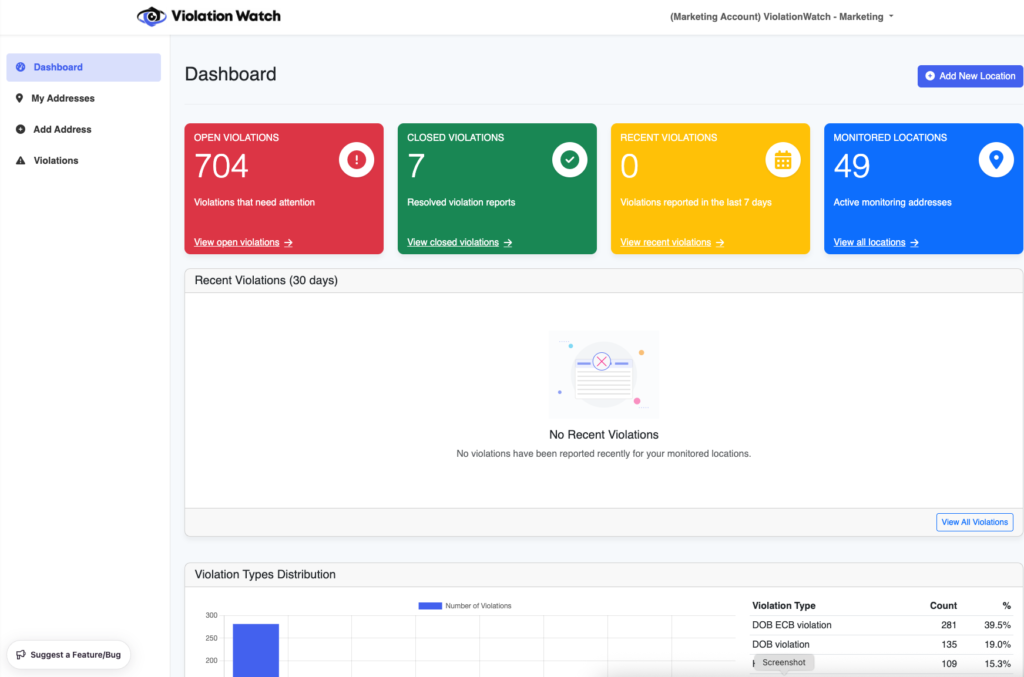
1. Site Registration
Add any construction site or NYC property (by address / BIN) into your dashboard.
2. Continuous 24/7 Scanning
Our system scans relevant DOB safety violation databases and public records hourly (or more frequently for critical alerts).
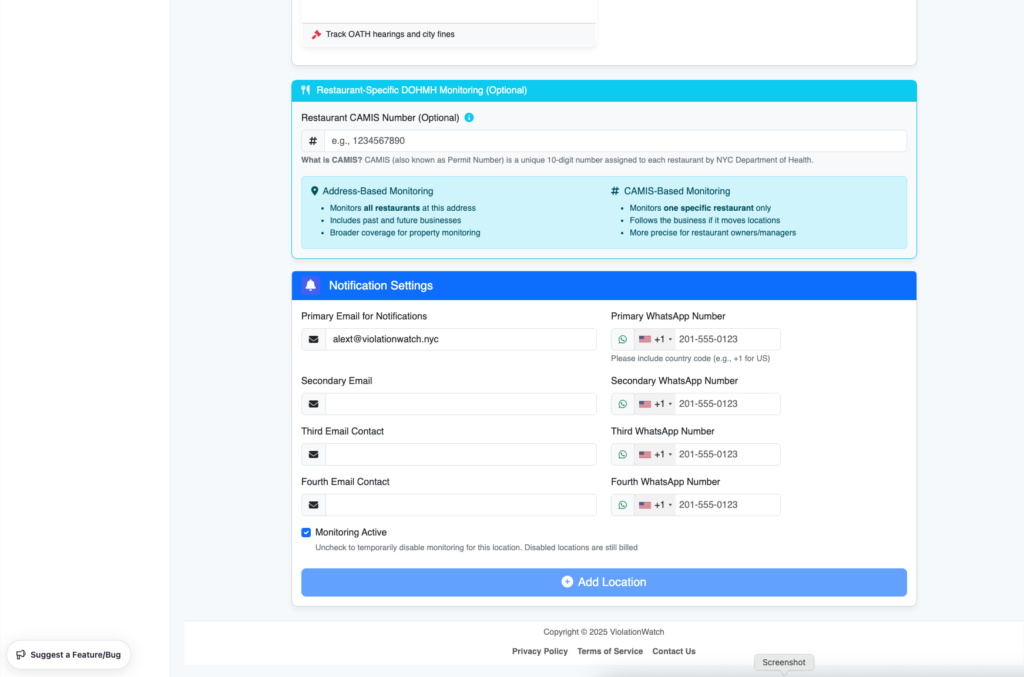
3. Instant Alerts When Violations Are Issued
Get notified via email, SMS or dashboard alert the moment a safety violation, stop-work order, or hazardous-condition citation is filed — often before you or your team even know there’s a problem.
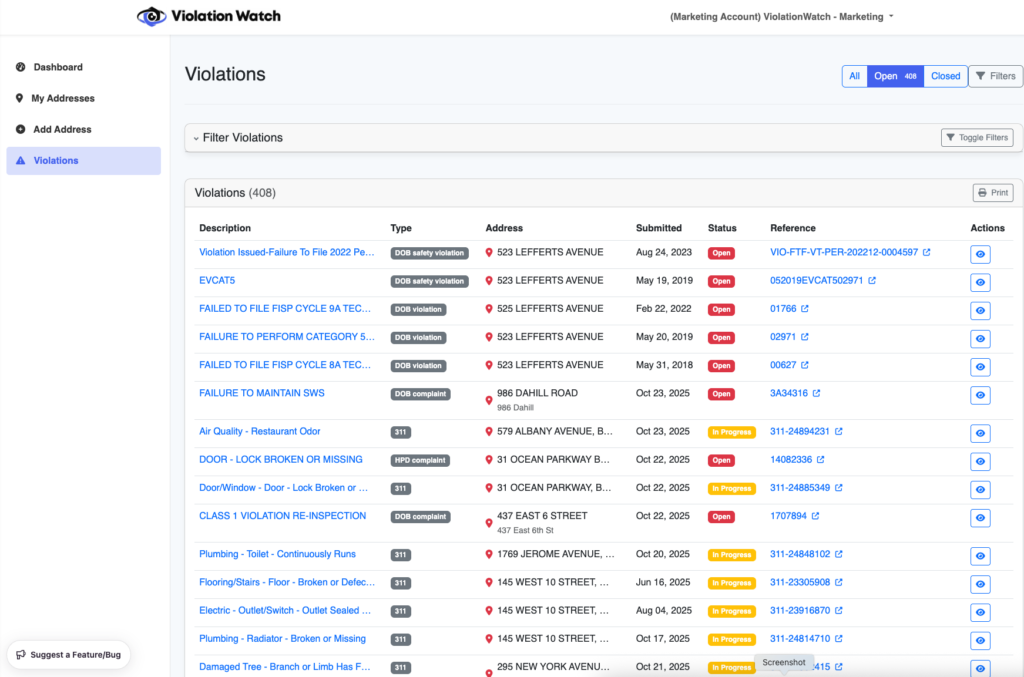
4. Actionable Violation Details
Each alert includes detailed violation data: type, severity, required corrective actions, deadlines, and links to official DOB records.
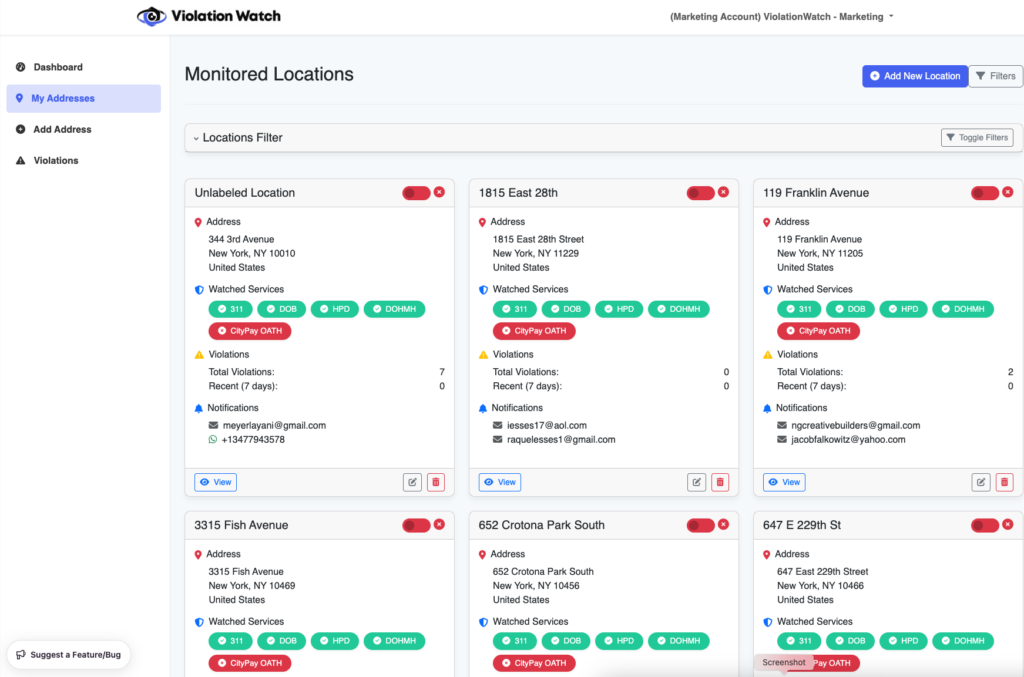
5. Compliance Tracking & Audit Trail
Maintain a full timeline of violations, corrections, history per site — useful for audits, insurance, due diligence, or liability defense.
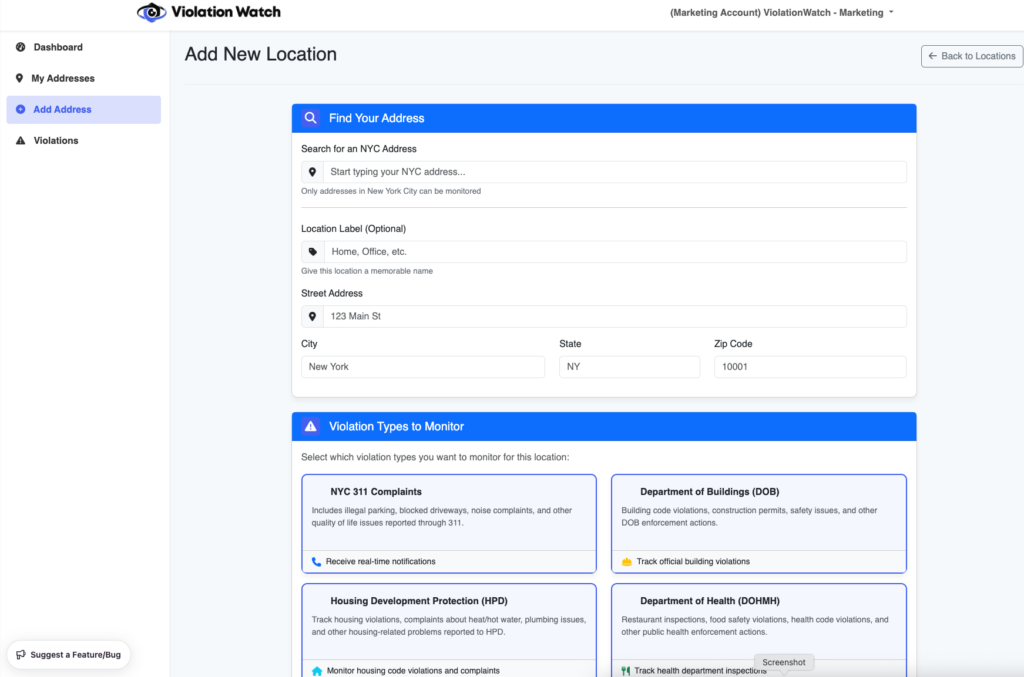
Why Safety Monitoring Is Critical — Not Optional
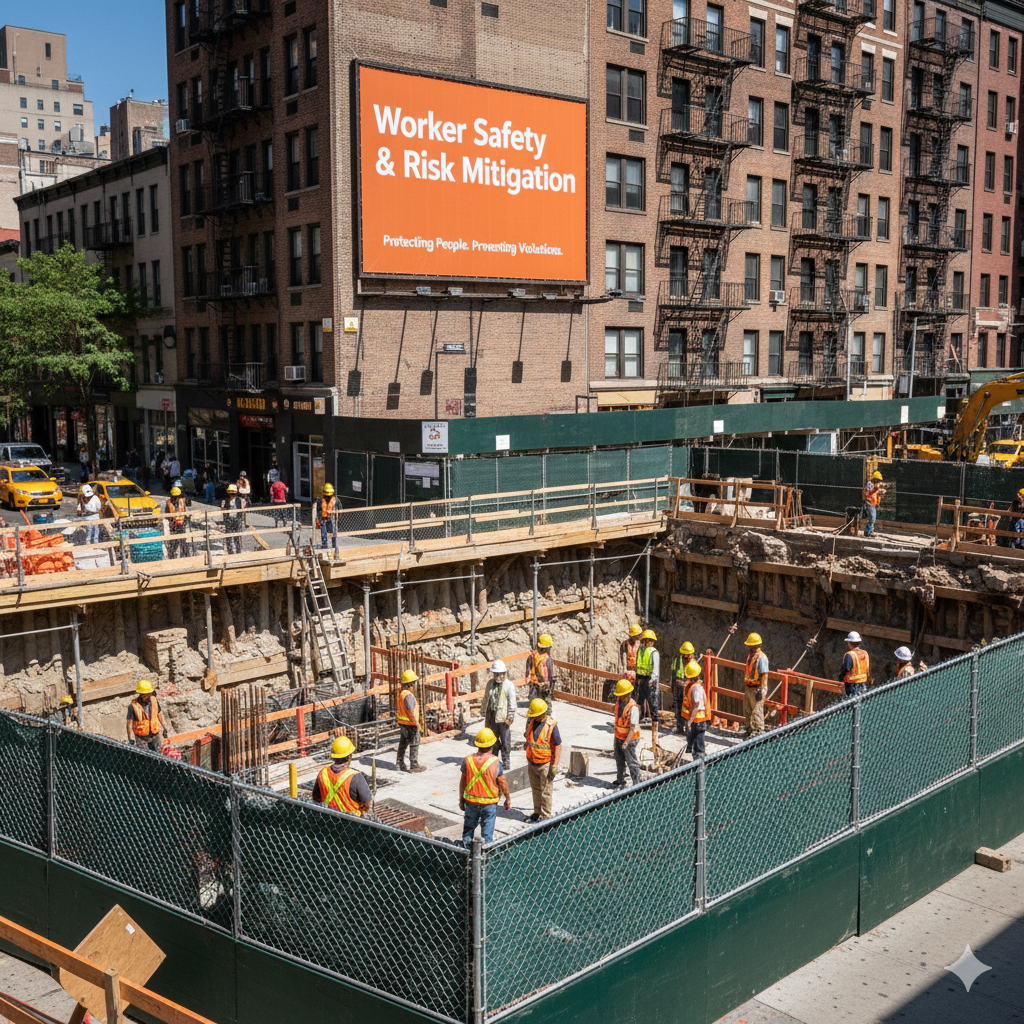
Worker Safety & Risk Mitigation
- Construction in NYC is dangerous: many serious accidents stem from ignored safety protocols. Monitoring helps catch issues early — before injuries or fatalities.
- Even minor violations can escalate if unaddressed — leading to compounded risk, liability and human cost.
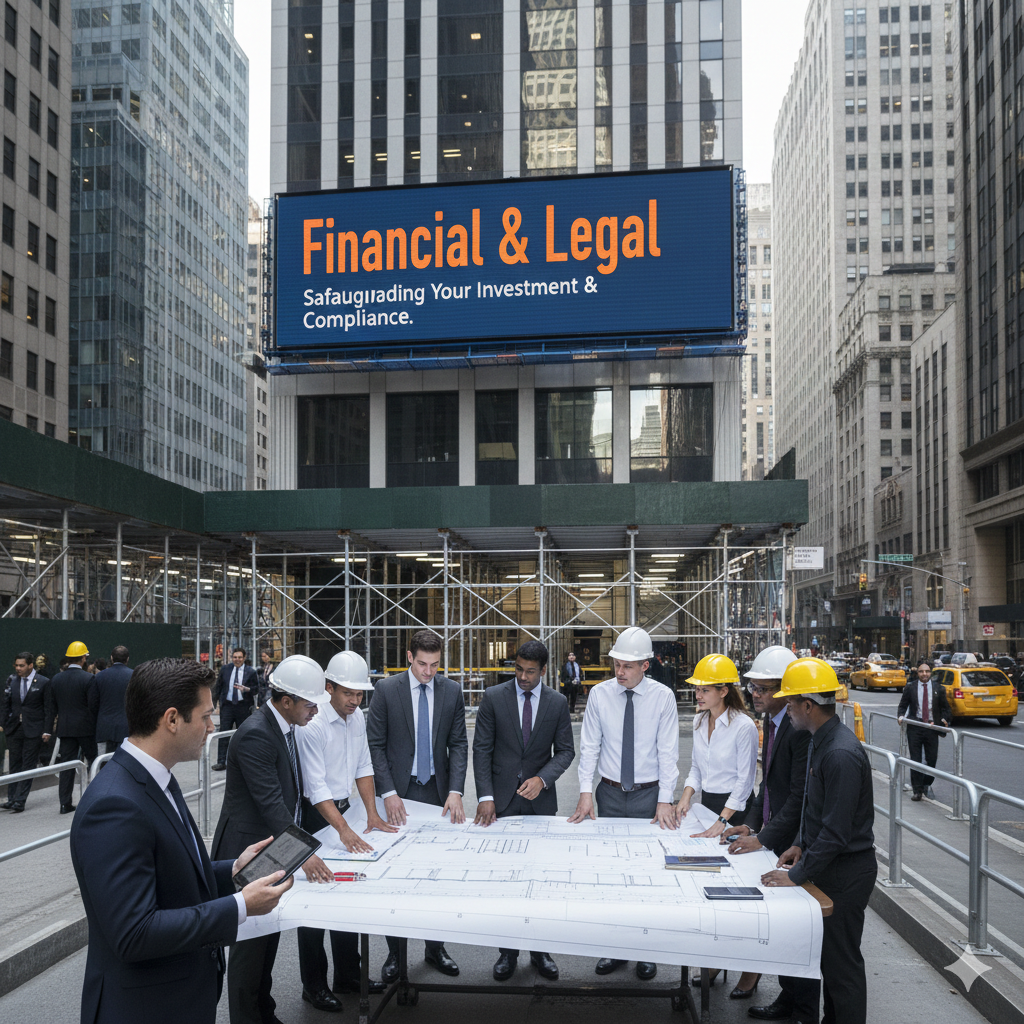
Financial & Legal Protection
- Fines for safety violations are steep. A single unresolved issue can trigger thousands in penalties, project delays, and insurance complications
- Safety violations — especially repeated ones — can trigger stop-work orders, which stall the entire construction timeline, lead to lost revenue, and erode trust with investors, lenders, or tenants.
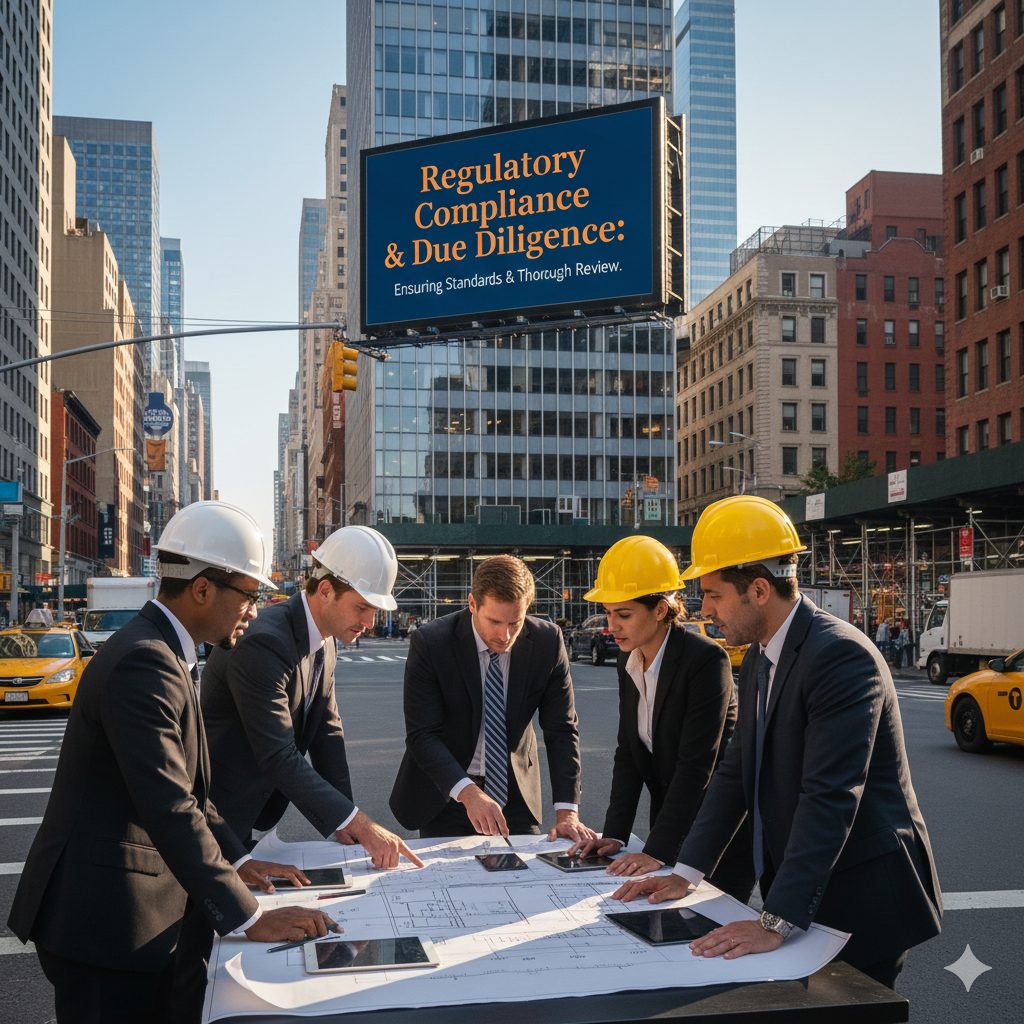
Regulatory Compliance & Due Diligence
- For property managers, developers, contractors and investors — being proactive demonstrates regulatory diligence, helps with financing, insurance, and avoids post-sale surprises.
- For multi-site portfolios, manual checks are unscalable. Automated monitoring ensures you never miss a citation across dozens of buildings.
Who Should Use ViolationWatch Safety Monitoring
Contractors & General Contractors
keep track of all active job sites, catch safety violations early, avoid work stoppages, and shield against liability.
Property Owners / Developers
maintain compliance across projects, ensure safety standards, avoid fines or lawsuits.
Asset Managers & Real-Estate Firms
monitor portfolios for risk, document compliance history for investors or lenders.
Investors, Lenders & Insurers
see a compliance history at glance, reduce underwriting risk, ensure collateral meets city safety standards.
Architects, Expediters & Compliance Consultants
stay ahead of safety issues during construction, meet Local Law 196 and DOB requirements.
Free Lookup Tool vs Ongoing Monitoring
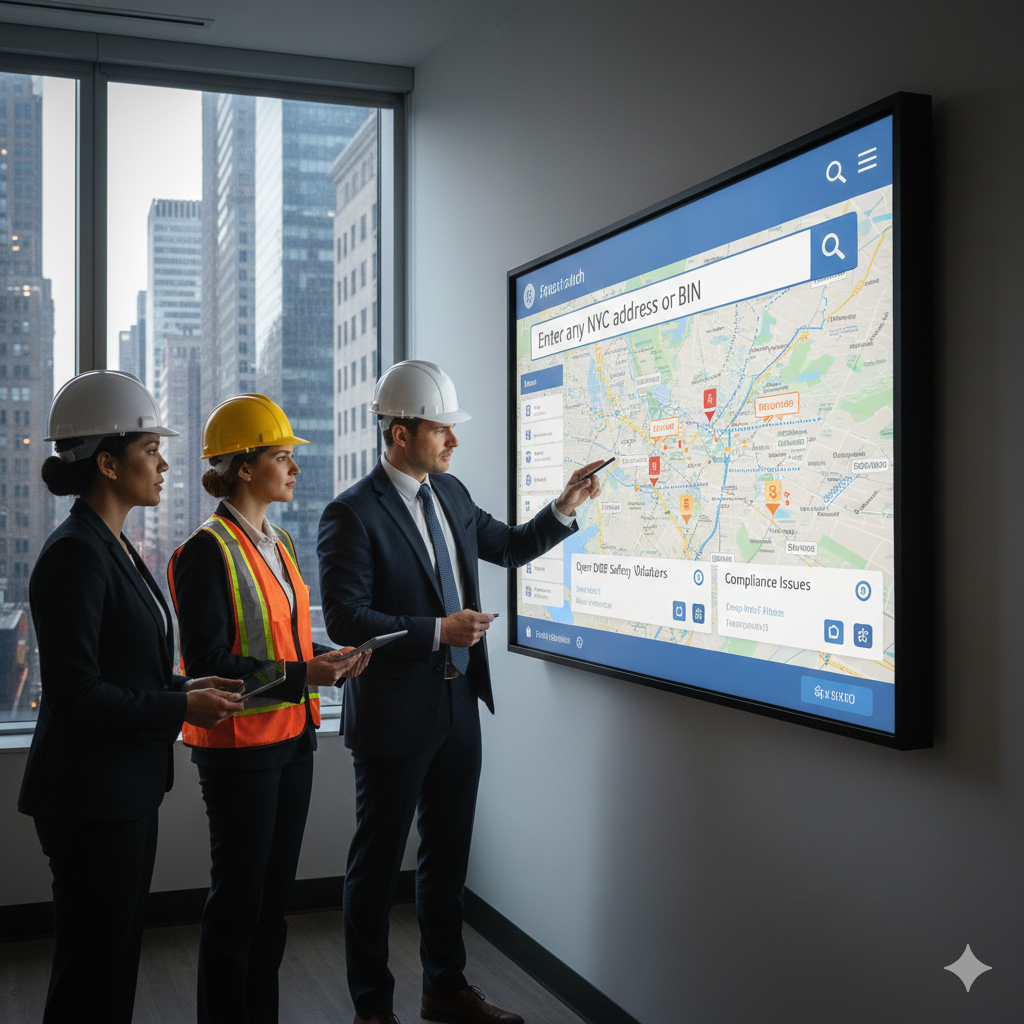
Free Lookup Tool
- Enter any NYC address or BIN to get a snapshot of all open DOB safety violations, active stop-work orders, and compliance issues.
- Useful for due-diligence, pre-acquisition checks, or one-off property reviews.

Full Monitoring (Signup required)
- Once you sign up and register your properties, get 24/7 automated monitoring — no manual checks, no missed citations.
- Perfect for active construction sites, large portfolios, or anyone needing real-time protection.
Frequently Asked Questions (FAQ)
We monitor all DOB-issued safety violations: fall protection, scaffolding, crane/excavation safety, PPE compliance, fire/electrical safety, stop-work orders — and more.
Our system scans relevant NYC public databases hourly, so you get alerts within minutes to an hour after a new violation is issued.
No — monitoring simply ensures you’re alerted early. You still need compliance plans, proper supervision, licensed trades, and safety management per NYC code. ViolationWatch helps you catch citations before they compound.
Yes — start with the Free Lookup Tool. For full monitoring, choose the plan that fits your portfolio (small project, multiple sites, or large portfolio).
Within minutes to an hour after the record hits public DOB databases. Critical alerts are flagged and prioritized automatically.